

My forehead gets greasy just an hour after arriving at work. Do I need to wash my face more often?
✔️ Key Characteristics
Forehead shininess. Excess oil concentrated on the forehead may differ from the condition of your nose and cheeks. Check to see if it feels greasy right after cleansing or if it worsens only in the afternoon. Forehead oiliness. The T-zone, cheeks, and around the mouth can show different levels of sebum production and dryness.
✔️ Possible Causes
Sebaceous gland activity and other factors may be involved. The exact cause cannot be determined solely based on symptoms. The forehead is an area with relatively well-developed sebaceous glands, and shininess can vary depending on temperature, sweat, and the formulation of the products you use. Sebaceous gland distribution. A combination of differences in regional sebaceous gland distribution and environmental exposure plays a role. However, the cause cannot be determined solely by appearance or feel; you must also check your product usage history and the duration of symptoms.
✔️ Care by Characteristic
Rather than increasing the frequency of cleansing, wash with a mild cleanser morning and evening, and gently blot away excess oil during the day. Do not change multiple products at once; adjust them while monitoring your skin’s response and symptom changes. Refreshing formulations. Do not repeatedly wash your forehead; use oil-blotting paper to absorb only the excess oil when needed. Apply a lightweight moisturizer to the entire face and apply extra only to dry areas to adjust the amount per zone.
✔️ Related Products
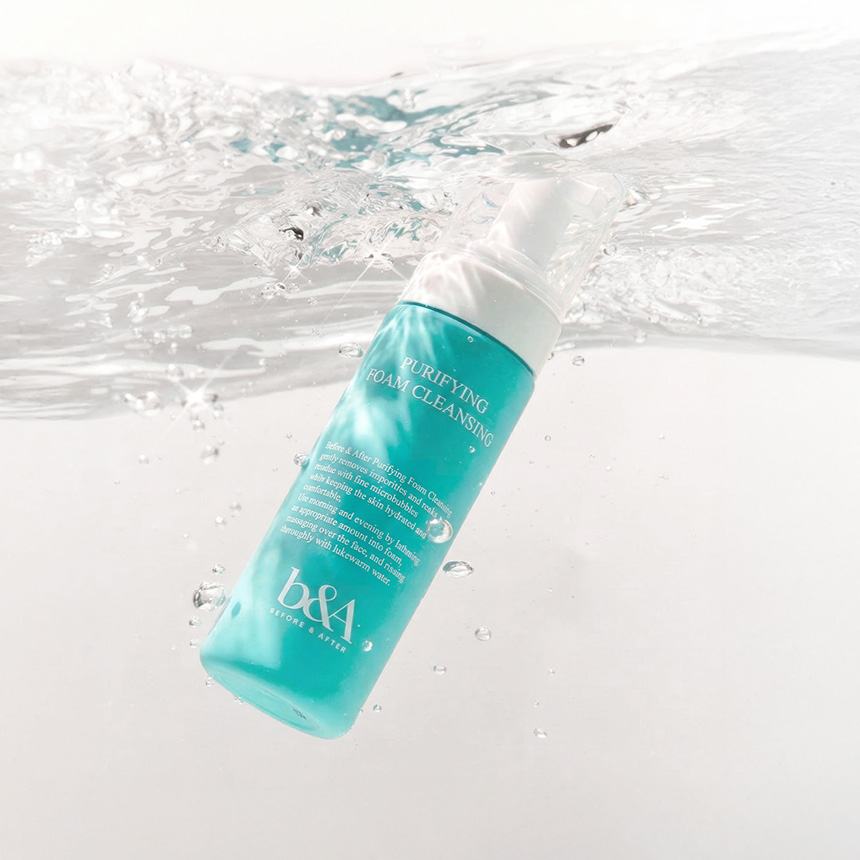 View Purifying Foam Cleansing →
※ This document is a compilation of provided care guidelines organized into professional consultation sentences. If symptoms are severe or persistent, prioritize visiting a dermatologist, and follow medical guidance for any procedures or prescriptions.