

My cheeks turn red when I enter a warm room. What irritants should I minimize?
✔️ Key Characteristics
Easily flushes. Redness, stinging, and itching can appear immediately after exposure to irritants or after some time. Reacts to temperature changes. Responses to temperature, friction, and fragrances vary from person to person, and fragrance-free products are not automatically safe.
✔️ Potential Causes
Irritation and vascular response. Since contact irritation, allergies, skin barrier issues, or other skin conditions may be involved, it is important to check when the symptoms started. Temperature stimuli. Individual sensitivity, exposure levels, and existing skin condition can influence it. However, causes cannot be determined solely by appearance or sensation; product usage history and duration must be checked together.
✔️ Care Guide by Characteristic
Avoid irritants. Minimize hot water, sudden temperature changes, and excessive friction, and consult a professional if symptoms recur. Discontinue suspected products and manage with simple cleansing and moisturizing. Consult a professional if swelling, blisters, or oozing occur. Avoid sudden temperature changes. Reduce temperature gaps and avoid irritating skincare. Persistent flushing requires evaluation. Keep a log of irritants and avoid peeling and new active ingredients until the skin stabilizes. Professional consultation is recommended for persistent flushing.
✔️ Related Products
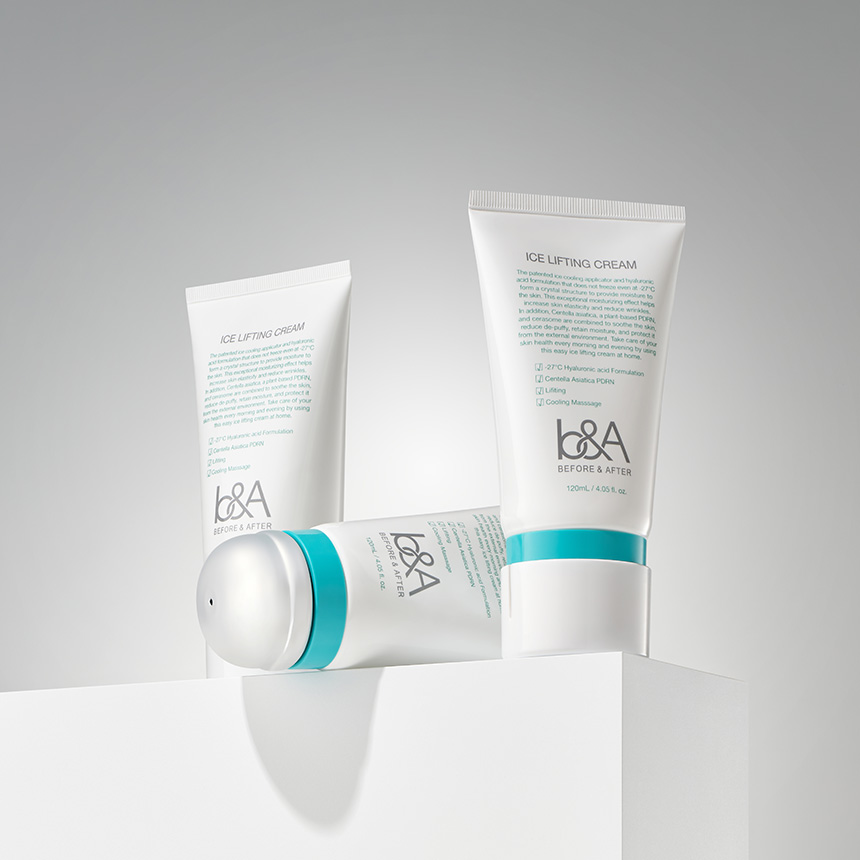 View Ice Lifting Cream →
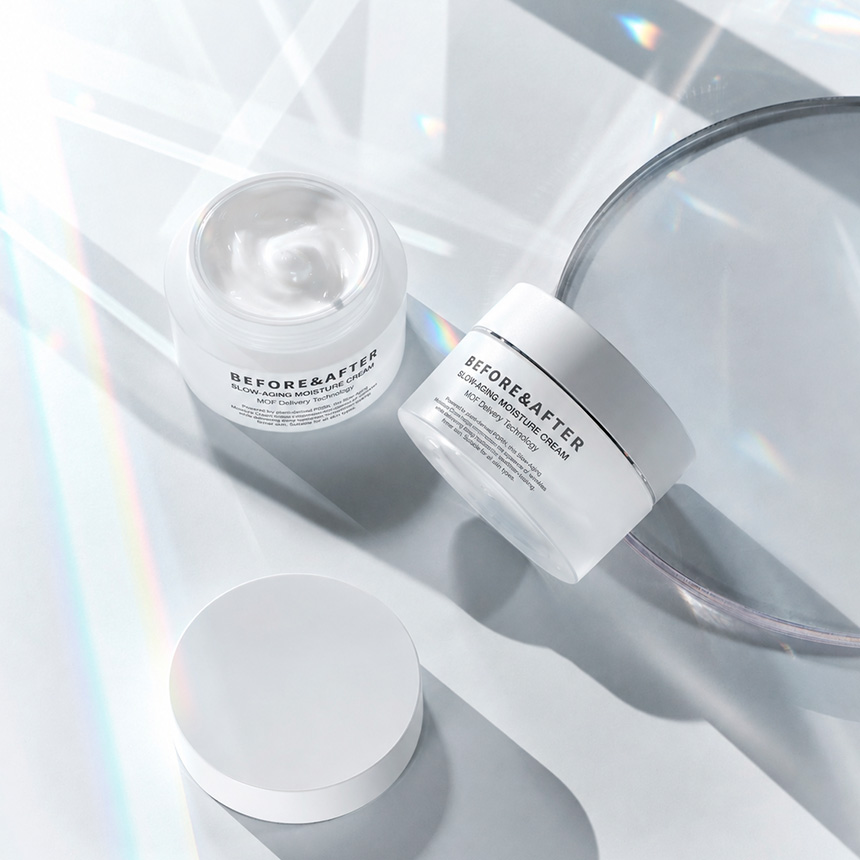 View Slow Aging Moisture Cream →
※ This document is a compilation of provided care guidelines organized into professional consultation sentences. If symptoms are severe or persistent, prioritize a dermatologist visit, and follow medical guidance for procedures and prescriptions.